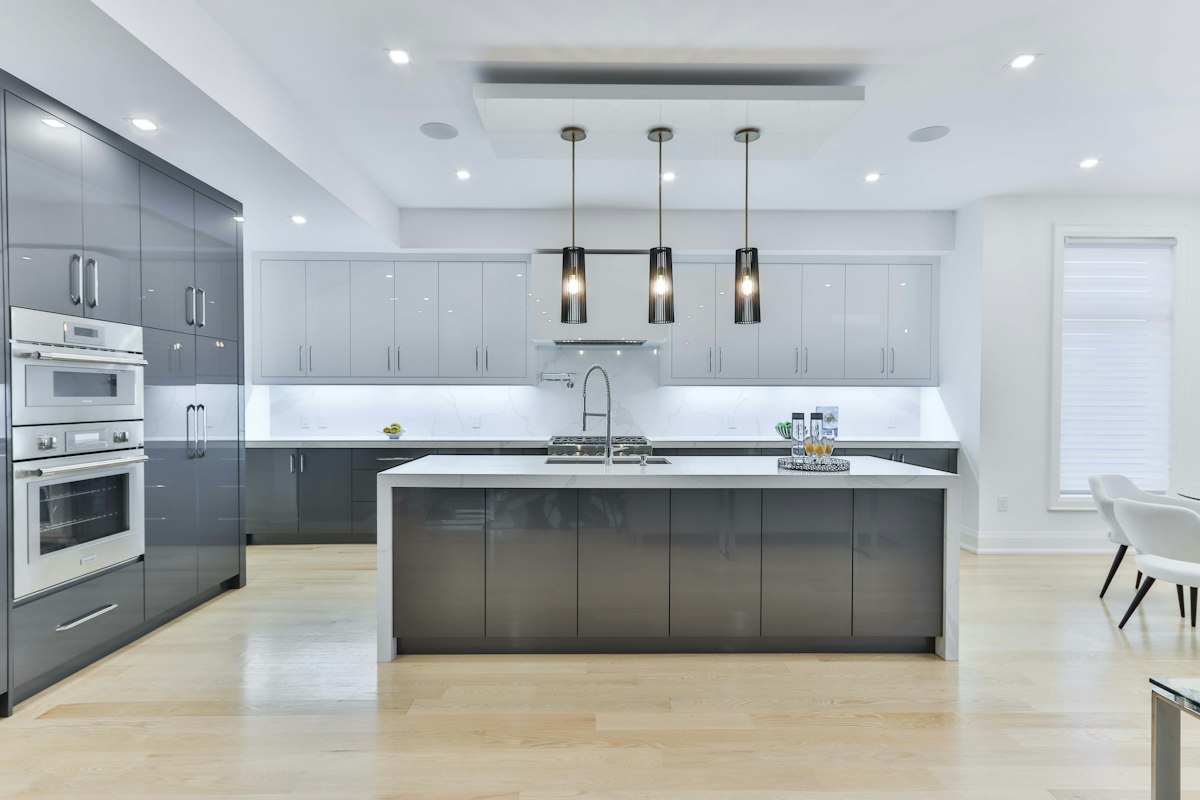
Kitchen Cabinet Renovation Cost: Real-World Budgets, Materials, and Hidden Fees
Walking into a kitchen that feels dated can instantly spark the desire for a remodel. The cabinets are almost always the first thing you notice, anchoring the room's aesthetic and dictating how the entire space functions. Yet, when you start looking at the price tags for a refresh, the sheer variance in numbers can feel overwhelming. How is it that one homeowner spends $2,000 on a cabinet makeover while another forks over $25,000 for what looks like a similar setup?
The truth is that cabinet work is a highly customized trade where materials, labor, and structural changes dictate every single dollar spent. Understanding these variables before you sign a contract is the difference between a smooth renovation and a budget-busting nightmare. If you do not plan carefully, you might find yourself with half-finished carpentry and an empty bank account.
Related posts
Strategies for Securing the Best Home Loan Interest Rates
Buying a home is likely the most significant financial commitment you will ever make. While the sticker price...
Read more →
Why Hiring an Architect for Home Renovation Protects Your Investment
You stare at the wall dividing your kitchen and dining room, wondering if knocking it down will create...
Read more →
Smart Ways to Fund Your Renovation: Choosing a Kitchen Remodel Financing Option
The kitchen is the heart of the home, but modernizing it is notoriously expensive. Whether you want to...
Read more →
Debt Consolidation Loan Options: Cut Interest, Simplify Payments, and Clear Balances
Juggling multiple monthly payments across various credit cards, store accounts, and unsecured loans creates constant financial stress. Different...
Read more →This breakdown will walk you through the actual market rates for cabinet updates, comparing the three primary paths: refinishing, refacing, and full replacement. We will examine the hidden fees that catch most homeowners off guard, evaluate the cost-to-value ratio of different materials, and help you determine where to save and where to invest. By analyzing real-world pricing structures and the labor dynamics of modern cabinet installers, you will gain the clarity needed to plan your project with confidence.
Key takeaways
- Refinishing or painting is the most budget-friendly option, typically costing between $1,500 and $5,000, while full replacement can easily scale from $5,000 to over $30,000.
- Labor costs represent roughly 35% to 50% of the total project budget, making professional installation a major cost driver.
- Material choices—ranging from stock MDF to custom solid hardwood—act as the primary driver of material costs, with custom work carrying a premium of up to 300% over stock alternatives.
- Cabinet renovations consistently deliver some of the highest returns on investment in home remodeling, often recovering 60% to 80% of their cost upon home resale.
The Three Paths of Cabinet Renovation: Refinish, Reface, or Replace
When planning a cabinet renovation, your first major decision is determining how much of the existing structure you want to keep. You do not always need to tear everything down to the drywall to get a fresh, modern look. The three main methods of renovation offer vastly different price points and final results.
1. Cabinet Refinishing
Cabinet refinishing is the process of keeping all your existing cabinet boxes, doors, and drawer fronts, and simply changing their surface finish. This usually involves deep cleaning, sanding, priming, and either painting or staining the wood. It is an excellent option if your cabinets are made of high-quality solid wood and the current layout works perfectly for your cooking habits.
Average Cost: $1,500 to $5,000
The primary advantage here is cost. Because you are not buying new doors or boxes, almost your entire budget goes toward labor and paint. However, refinishing will not fix structural damage, warped wood, or a poor kitchen layout. If your cabinets are cheap particle board, they may not even tolerate the sanding and painting process.
2. Cabinet Refacing
Cabinet refacing is a middle-ground solution. You keep the existing cabinet boxes (the structural shells mounted to the walls), but you replace all the doors, drawer fronts, and hardware. To ensure everything matches, the installer applies a thin wood veneer or laminate over the exposed exterior surfaces of the cabinet boxes.
Average Cost: $4,000 to $12,000
Refacing gives you the look of brand-new cabinets at a fraction of the cost. It is also much faster than a full tear-out, often taking only two to four days. The downside is that you are still locked into your existing kitchen layout. If your current cabinet boxes are structurally weak, rotting, or infested with pests, refacing is simply putting a bandage over a deeper problem.
3. Full Cabinet Replacement
This is the traditional route where everything is torn out and replaced with brand-new cabinet units. It is the only choice if you want to change the layout of your kitchen, move appliances, or if your existing cabinets are falling apart.
Average Cost: $5,000 to $30,000+
Full replacement offers total creative freedom. You can choose modern storage solutions like deep pot drawers, pull-out spice racks, and integrated trash bins. However, this is the most expensive and disruptive option, often leaving your kitchen unusable for weeks.
How Material Selection Drives the Bottom Line
If you choose to reface or replace your cabinets, the materials you select will be the single largest factor in your final invoice. Cabinetry is generally categorized into three tiers based on manufacturing methods and material quality.
Stock Cabinets
Stock cabinets are mass-produced in standard sizes and styles. They are pre-manufactured and ready to ship or pick up from big-box home improvement stores. Sizes are typically limited to 3-inch increments, meaning you may need filler strips to make them fit your walls perfectly.
Cost: $100 to $300 per linear foot
Most stock cabinets are constructed from engineered wood, such as medium-density fiberboard (MDF) or particle board, covered with a plastic laminate or thermofoil. While highly affordable, they do not hold up as well to heavy moisture and cannot be easily repaired if the laminate begins to peel.
Semi-Custom Cabinets
Semi-custom cabinets are built to order, allowing you to make minor adjustments to depth, height, and style. They offer a wider range of finishes, door styles, and organizational accessories than stock options.
Cost: $150 to $450 per linear foot
These units are usually built with plywood boxes and solid wood face frames, offering a great balance of durability and affordability. For the vast majority of homeowners, semi-custom cabinets represent the sweet spot of value and longevity.
Custom Cabinets
Custom cabinets are built from scratch by a local carpenter or a specialized cabinet shop to your exact specifications. There are no standard sizes; every box is built to fit the unique dimensions of your kitchen walls.
Cost: $500 to $1,500+ per linear foot
You can choose exotic wood species, custom paint colors, and highly specific storage configurations. The craftsmanship is top-tier, and the materials are usually premium furniture-grade plywood and solid hardwoods. The trade-off is a high price tag and a lead time that can stretch from two to six months.
Labor, Layout, and Hidden Costs to Anticipate
When budgeting for a cabinet renovation, many homeowners focus entirely on the cost of the cabinets themselves and forget to account for the labor and logistical fees. To avoid unpleasant surprises, make sure your budget accounts for these essential expenses.
Demolition and Disposal: Tearing out old cabinets is heavy, messy work. Professional contractors typically charge between $500 and $1,500 to carefully remove old cabinetry without damaging your drywall, plus the cost of renting a dumpster and paying local disposal fees.
Wall and Floor Repairs: Once old cabinets are removed, you may discover that the walls behind them are unpainted, damaged, or uneven. Additionally, if your new cabinet footprint is smaller or different from the old one, you may have gaps in your flooring that require patching or complete replacement.
Hardware and Accessories: Do not forget the cost of handles, knobs, drawer slides, and hinges. While a single brass pull might only cost $8, a kitchen with 30 doors and drawers will quickly add $240 or more to your total. Upgrading to soft-close hinges and heavy-duty drawer glides can add another $500 to $1,000 to your materials bill.
Plumbing and Electrical Adjustments: If your new cabinet layout requires moving your sink, dishwasher, or stove, you will need to hire licensed plumbers and electricians. This work can easily add $2,000 to $5,000 to your project, as trade professionals charge premium hourly rates to modify existing utility lines.
Evaluating ROI: Is a Cabinet Renovation Worth It?
A kitchen remodel is widely considered one of the best ways to increase a home's resale value. Because cabinets dominate the visual space of the room, updating them yields a strong return on investment. On average, homeowners can expect to recoup 60% to 80% of their cabinet renovation costs when they sell their property.
However, you must align your spending with your neighborhood's home values. Installing $40,000 custom mahogany cabinets in a starter home will not yield a proportional return, as buyers in that price bracket will not pay a premium for luxury cabinetry. Conversely, putting cheap stock MDF cabinets in a high-end luxury home can actually hurt your resale value. Match your material choices to the overall value of your home to protect your investment.
Frequently Asked Questions
Is it cheaper to paint or reface kitchen cabinets?
Painting is significantly cheaper than refacing. Painting or refinishing existing cabinets typically costs between $1,500 and $5,000, as you are only paying for surface prep, primer, and paint. Refacing, which involves buying entirely new doors, drawer fronts, and veneer, ranges from $4,000 to $12,000 because of the high cost of new manufactured components.
How much does it cost to replace cabinets in a standard 10x10 kitchen?
For a standard 10x10 foot kitchen, replacing cabinets usually costs between $4,500 and $15,000. If you choose entry-level stock cabinets and install them yourself, you can keep the cost under $5,000. If you opt for semi-custom cabinets with professional installation, the price typically settles between $8,000 and $14,000. Custom cabinets for the same space will easily exceed $20,000.
What is the average lifespan of renovated kitchen cabinets?
The lifespan depends entirely on the renovation method and material quality. Professionally painted or refinished cabinets usually look great for 5 to 8 years before needing touch-ups. Refaced cabinets can easily last 15 to 20 years if the veneer is applied correctly. High-quality, brand-new semi-custom or custom plywood cabinets can easily last 30 to 50 years with basic maintenance.
Can I save money by buying flat-pack (RTA) cabinets?
Yes, Ready-to-Assemble (RTA) cabinets can save you 30% to 50% on material costs compared to pre-assembled cabinets. Because they ship flat, shipping costs are lower, and manufacturers pass the assembly savings on to you. However, you must factor in the time and tools required to assemble and hang them correctly, as poorly assembled RTA cabinets will sag and wear out quickly.
Should I replace my countertops when I replace my cabinets?
Yes, it is highly recommended to replace your countertops at the same time. Removing countertops to replace the cabinets underneath almost always damages the stone, quartz, or laminate. Additionally, template measurements for new cabinets will not align perfectly with old countertops, leading to gaps, structural instability, and poor visual alignment.
Conclusion
Upgrading your kitchen cabinets is a major financial commitment, but it is also one of the most rewarding home improvement projects you can undertake. By understanding the clear differences between refinishing, refacing, and replacing, you can choose a path that respects your budget while achieving your design goals. Always obtain at least three detailed quotes from licensed contractors, check their past references, and set aside a 15% contingency fund to cover the unexpected structural or plumbing surprises that inevitably arise once the old cabinets come down.